
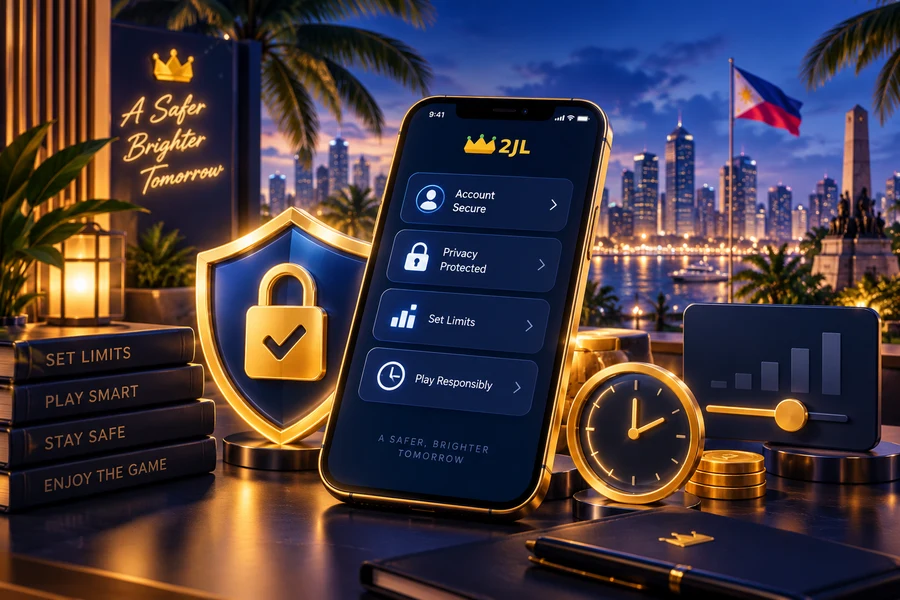
Set a spending limit first
Choose an amount that does not affect rent, food, debt payments, savings or other essential commitments. Once that amount is reached, stop rather than treating the limit as a target to move.
Set a time limit too
Long sessions can make decisions less deliberate. Use a stopping time, take breaks and step away when frustration starts driving choices.
Do not chase losses
A previous loss does not make a later result more predictable. Increasing activity in an attempt to recover money can turn a short session into a larger financial problem.
Keep membership status separate from your budget
VIP status, rewards or progress indicators should not decide how much you spend. Your budget should come from your real finances, not from a tier or promotion.
Protect account credentials
Keep passwords and one-time codes private. Use a screen lock on personal devices and sign out on shared devices. Do not send bank passwords or card PINs through support messages.
Pay attention to how the activity feels
If you are hiding spending, borrowing money, losing sleep, missing responsibilities or continuing after you intended to stop, reduce or stop participation and seek appropriate support in your area.
Check applicable requirements
Age, location and legal requirements can depend on where you are and what service you use. Check the rules that apply to you rather than relying on a broad statement that an activity is permitted everywhere.